
Invisible Braces or Traditional Ones? Here’s What Our Orthodontist Recommends in 2025
Invisible Braces or Traditional Ones? Here’s What Our Orthodontist Recommends in 2025 is a question many patients ask when they start their orthodontic journey. With advancements in dental technology, both options now offer excellent results, but the right choice depends on your needs, lifestyle, and budget. Our orthodontist explains the distinctions, benefits, and drawbacks of each in this guide so you can make an informed choice..
1. Understanding the Basics of Orthodontic Treatment
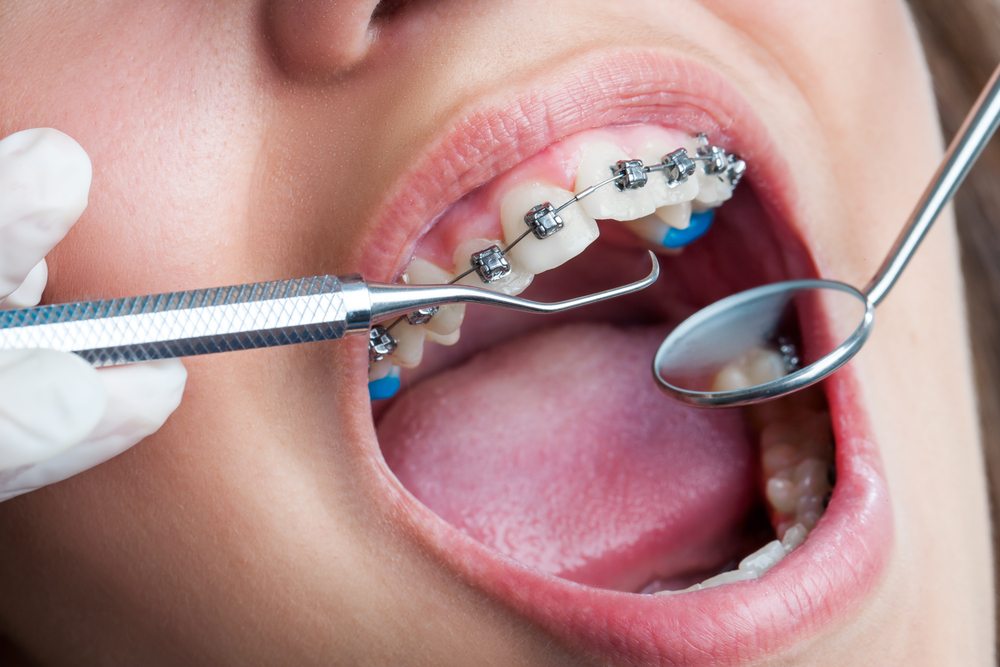
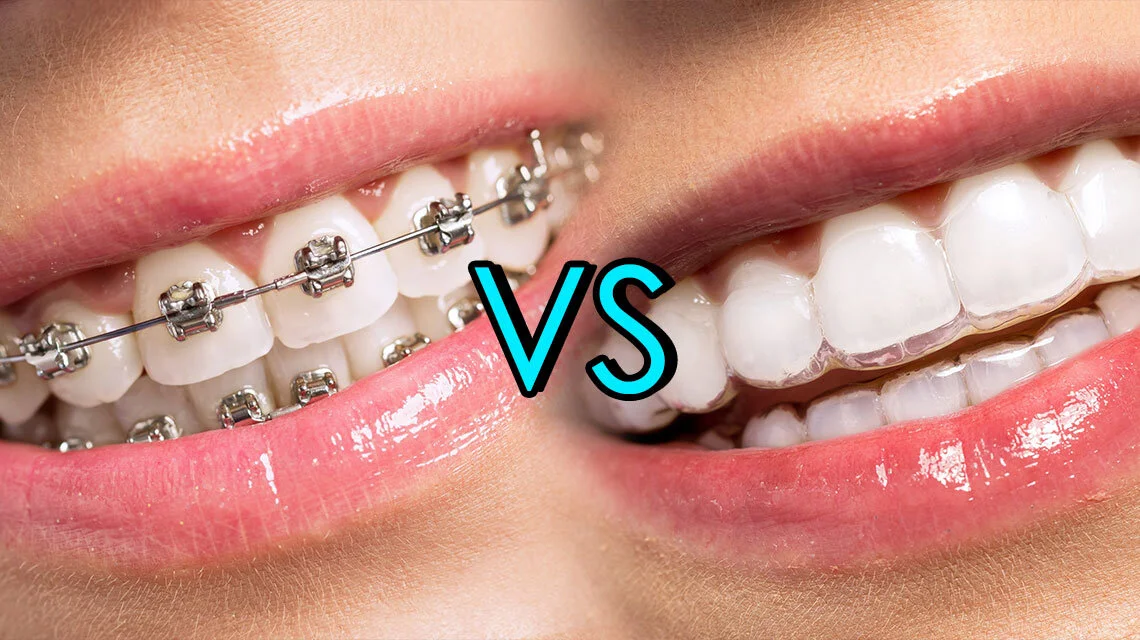
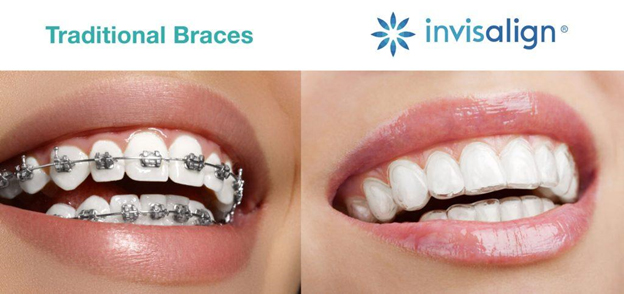
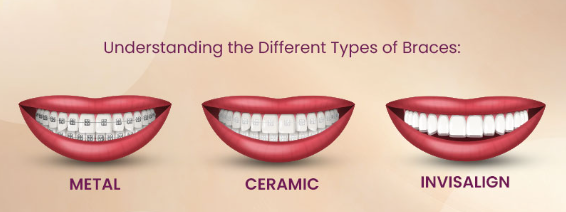
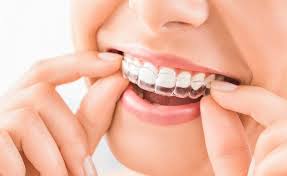
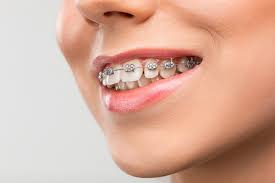
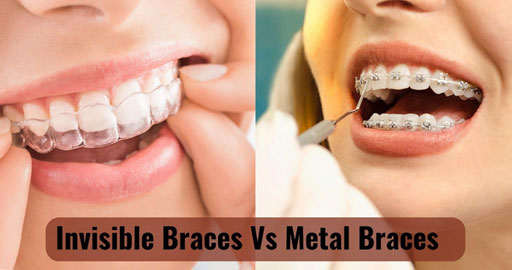
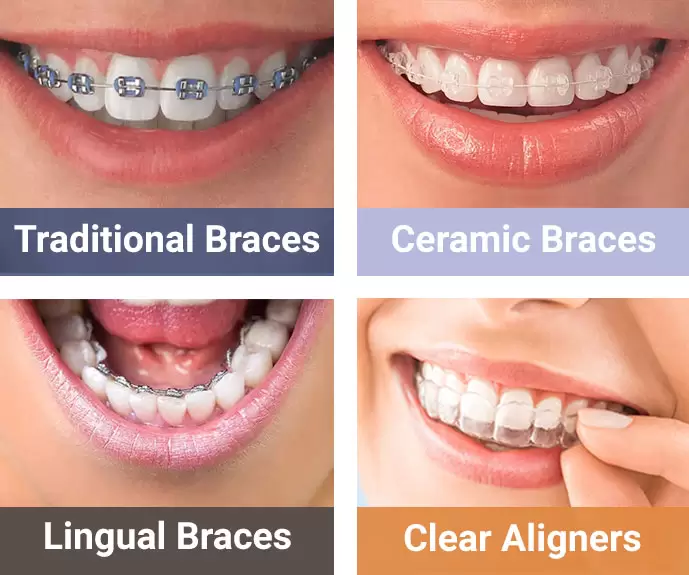
Orthodontic treatment helps straighten teeth, improve bite alignment, and enhance your smile’s appearance. Traditionally, metal braces have been the go-to option for decades, using brackets and wires to move teeth into place.On the other hand, invisible braces, often called clear aligners, use transparent, removable trays custom-made for your teeth. They move teeth into the proper position gradually and don't require brackets or metal wires.
While both methods aim for the same result—a healthier and straighter smile—the journey can look and feel quite different.
2. Invisible Braces – The Modern Approach
Invisible braces are designed for people who value a discreet and comfortable treatment process. These clear aligners are almost invisible, making them ideal for professionals, students, or anyone who doesn’t want their orthodontic treatment to be noticeable.Advantages of Invisible Braces:
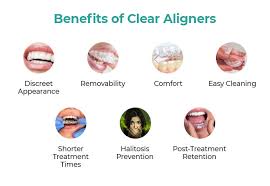
• Aesthetic appeal: Almost undetectable, allowing you to grin with assurance.
• Removable – Eat your favorite foods without restrictions.
• Comfortable – No sharp wires or brackets to irritate the mouth.
• Easy cleaning – You can brush and floss normally.
Things to Consider:
• Requires discipline to wear 20–22 hours a day.
• Not suitable for very complex dental corrections.
• May be slightly more expensive than traditional braces.
Our orthodontist recommends invisible braces for patients who have mild to moderate alignment issues and want a treatment option that blends seamlessly into their daily life.
3. Traditional Braces – The Reliable Classic
Traditional metal braces have been around for decades for a reason—they work extremely well for all types of dental misalignments.Advantages of Traditional Braces:
• Effective for all complexity levels, from mild to severe misalignments.
• No need to worry about forgetting to wear them.
• Often more affordable than invisible braces.
Things to Consider:
• More visible, which may affect self-confidence for some people.
• Can cause discomfort from wires and brackets.
• Requires extra care to maintain oral hygiene.
Our orthodontist suggests traditional braces for patients with complex orthodontic issues or those who prefer a fixed system that doesn’t rely on daily discipline.
4. Invisible Braces or Traditional Ones? Here’s What Our Orthodontist Recommends in 2025
Orthodontic procedures are more sophisticated than ever in 2025. Both invisible braces and traditional braces are capable of delivering outstanding results, but the choice depends on:•Your dental condition – Complex cases may be better suited for traditional braces, while simpler cases can benefit from invisible braces.
• Your lifestyle – If you attend many social events or work in a public-facing role, invisible braces may give you more confidence.
• Your budget – Traditional braces generally cost less, but invisible braces may offer better convenience and comfort.
Our orthodontist often advises combining personal preferences with professional recommendations for the best outcome.
5. Cost, Maintenance, and Treatment Time
Cost• Invisible Braces: Typically cost more due to advanced technology and custom fabrication.
• Conventional Braces: Less expensive, but may need more appointments for modifications.
Maintenance
• Invisible Braces: Must be removed before eating and cleaned regularly to avoid staining.
• Cleaning around brackets with traditional braces requires specialized equipment, such as interdental brushes.
Treatment Time
• Invisible Braces: Usually range between 6–18 months for mild to moderate cases.
• Traditional Braces: Often 18–24 months for more complex cases.
6. Final Advice from Our Orthodontist
In the end, the best treatment for you is the one that fits your dental needs, lifestyle, and budget. If you want a subtle, removable, and comfortable option, invisible braces may be the perfect fit. If you have complex alignment issues or prefer a lower-cost solution, traditional braces could be ideal.The most important step is to have a professional orthodontic consultation. A detailed examination, including X-rays and 3D scans, can determine which treatment will give you the healthiest, most beautiful smile in the shortest time possible.