

Bleeding Gums in Hyderabad: Causes, Warning Signs & Effective Gum Disease Treatments
Introduction
Bleeding gums can be easy to ignore, especially when they happen occasionally while brushing or flossing. However, frequent gum bleeding may be an early warning sign of a dental problem that needs attention. Dermadentprovides comprehensive dental care to help identify the cause of bleeding gums and manage gum-related problems effectively. If you live in Hyderabad and notice swollen, tender, or bleeding gums, understanding the possible causes and treatment options can help protect your oral health.
01 What Causes Bleeding Gums?
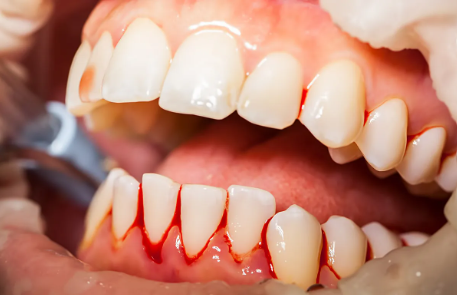
Bleeding gums
are often linked to inflammation caused by plaque buildup around the teeth and
gumline. When plaque is not removed properly, it can irritate the gums and lead to
gingivitis, the early stage of gum disease.
Common causes include:
* Poor brushing or flossing habits
* Plaque and tartar buildup
* Gingivitis or periodontitis
* Brushing too hard
* Using an unsuitable toothbrush
* Smoking or tobacco use
02 Warning Signs of Gum Disease
Bleeding is only one possible symptom of gum disease. Watch for other changes in your gums
and mouth.
Common Symptoms
* Red or swollen gums
* Tender or sensitive gums
* Persistent bad breath
* Gums that bleed while brushing or flossing
* Gum recession
* Pain while chewing
* Changes in the way your teeth fit together

03 How Is Gum Disease Diagnosed?
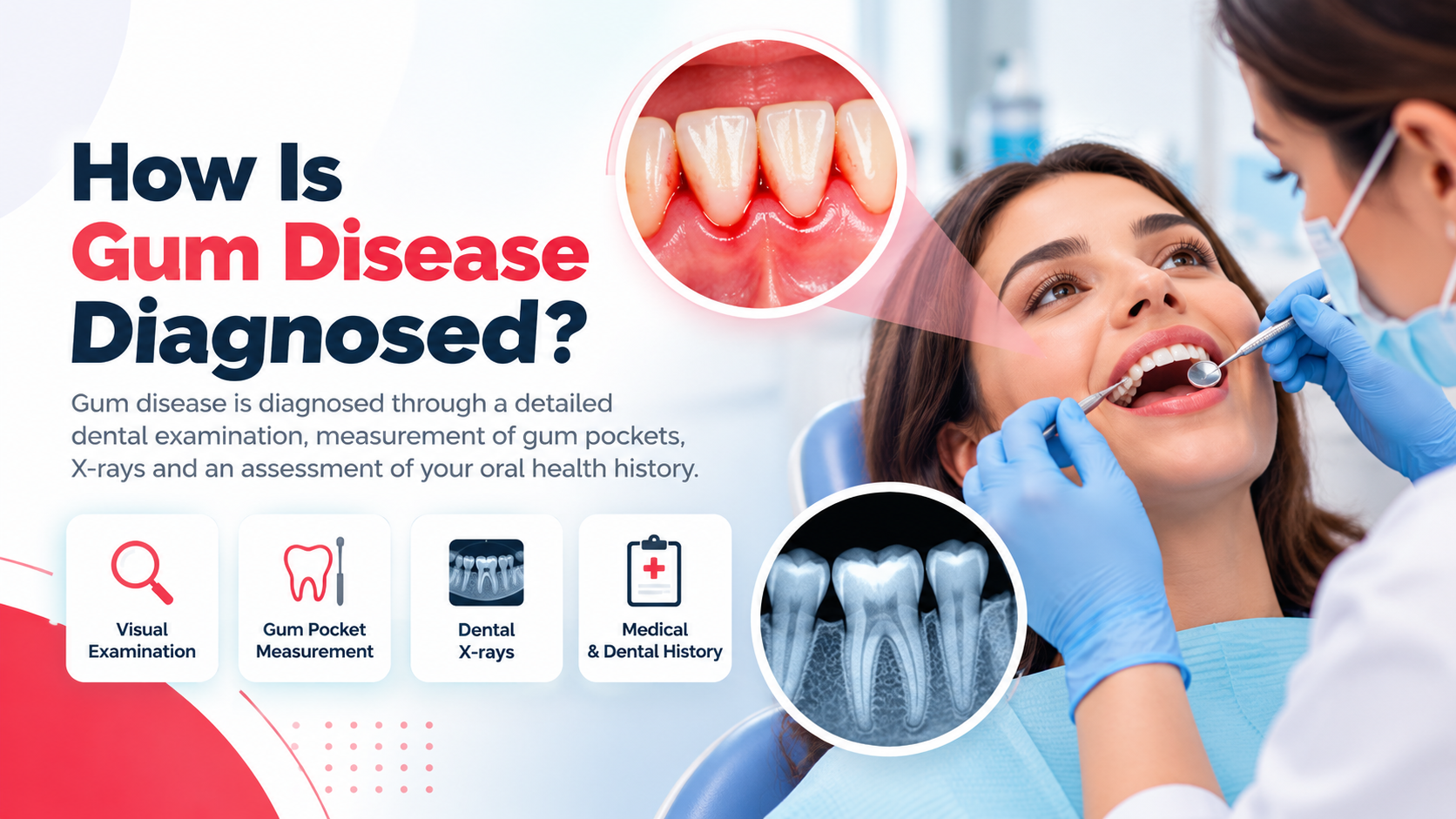
A dentist usually examines your teeth and gums for signs of inflammation, plaque, tartar,
gum recession, and periodontal pockets. Depending on your symptoms, dental X-rays may also
be recommended to check the supporting bone around the teeth.
Effective Gum Disease Treatments in Hyderabad
Treatment depends on the severity and underlying cause of the problem. A dentist may
recommend one or more of the following approaches.
04
1. Professional Dental Cleaning
A professional cleaning removes plaque and tartar that regular brushing cannot eliminate.
This can help reduce gum inflammation and bleeding caused by gingivitis.
2. Scaling and Root Planing
For patients with deeper gum pockets or more established gum disease, scaling and root
planing may be recommended. This deep-cleaning procedure removes deposits from below the
gumline and smooths the tooth roots to support healthier gums.
3. Improved Oral Hygiene
Your dentist may guide you on proper brushing, flossing, and interdental cleaning
techniques. Consistent home care is essential for maintaining treatment results.
4. Treatment for Advanced Gum Disease
When gum disease has progressed significantly, additional periodontal treatments may be
necessary. Your dentist will assess the condition,recommend an appropriate treatment
plan based on your individual needs.
05 How to Prevent Bleeding Gums
Good daily oral care can significantly reduce the risk of gum problems.
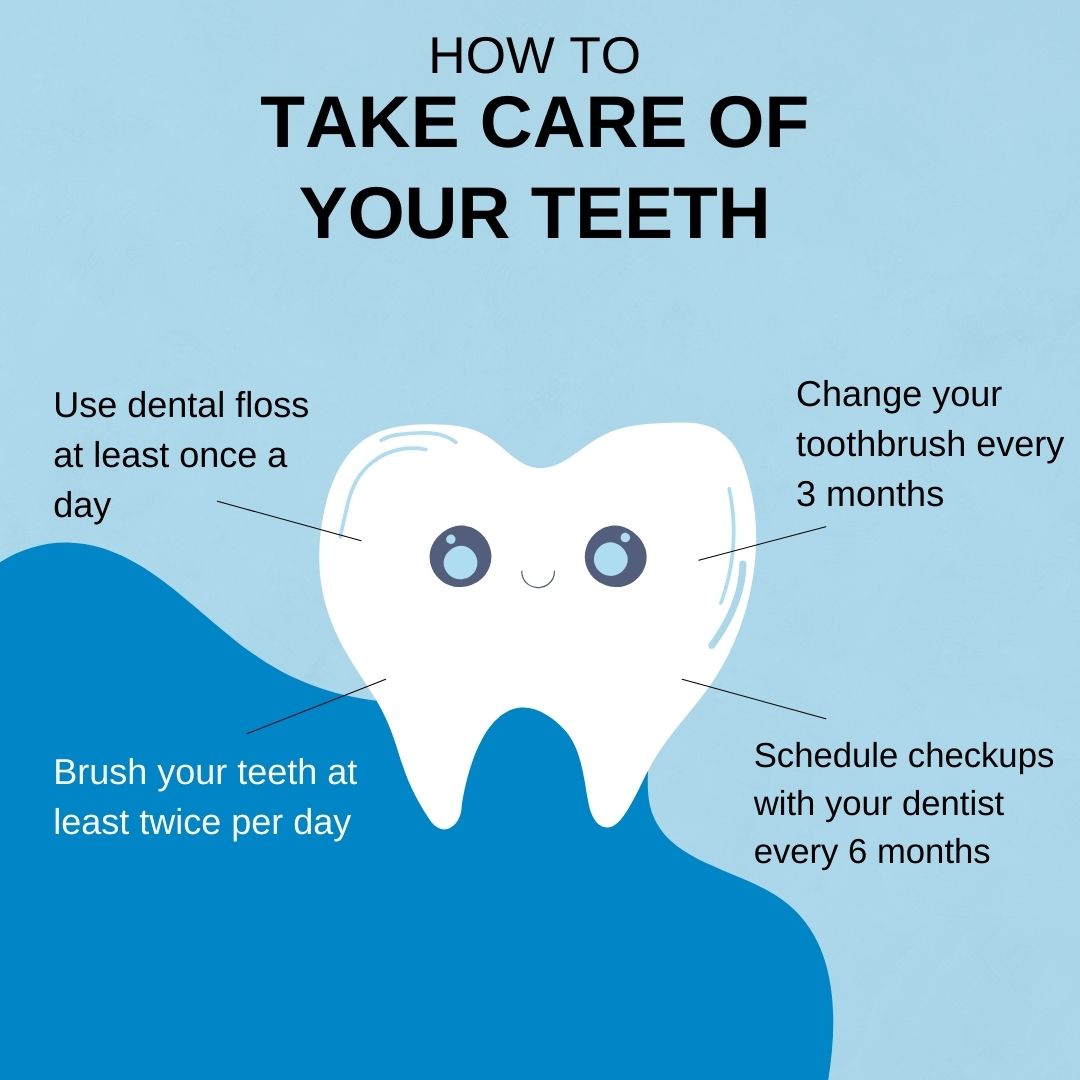
* Brush twice a day with a soft-bristled toothbrush.
* Clean between your teeth daily using floss or interdental brushes.
* Replace your toothbrush regularly.
* Avoid tobacco and smoking.
* Maintain a balanced diet.
* Schedule regular dental check-ups and professional cleanings.
* Do not ignore persistent gum bleeding or swelling.

Conclusion
Bleeding gums should not be treated as a normal part of brushing. They can indicate inflammation or gum disease that may require professional attention. With early diagnosis, appropriate gum disease treatment, and consistent oral hygiene, many gum problems can be effectively managed. If you are experiencing persistent bleeding gums in Hyderabad, schedule a dental consultation to understand the cause and available treatment options. Contact Us to take the next step toward healthier gums and a healthier smile.
Frequently Asked Questions
Frequent gum bleeding can be a sign of gingivitis or other gum problems. A dental examination can determine the exact cause.
Yes. Treatment depends on the cause and severity and may include professional cleaning, improved oral hygiene, or periodontal treatment.
Maintain proper brushing and flossing habits and have regular dental check-ups. If bleeding continues, consult a dentist.
Not always. Gum disease can develop with little or no pain, which is why signs such as bleeding, swelling, and bad breath should not be ignored.
See a dentist if bleeding is frequent, persistent, or accompanied by swelling, pain, bad breath, gum recession, or loose teeth.