
Pigmentation Treatment in Pragathi Nagar – Say Goodbye to Dark Spots!
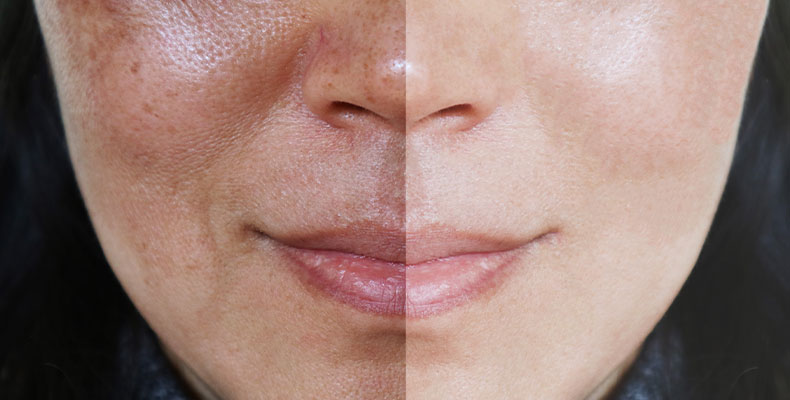
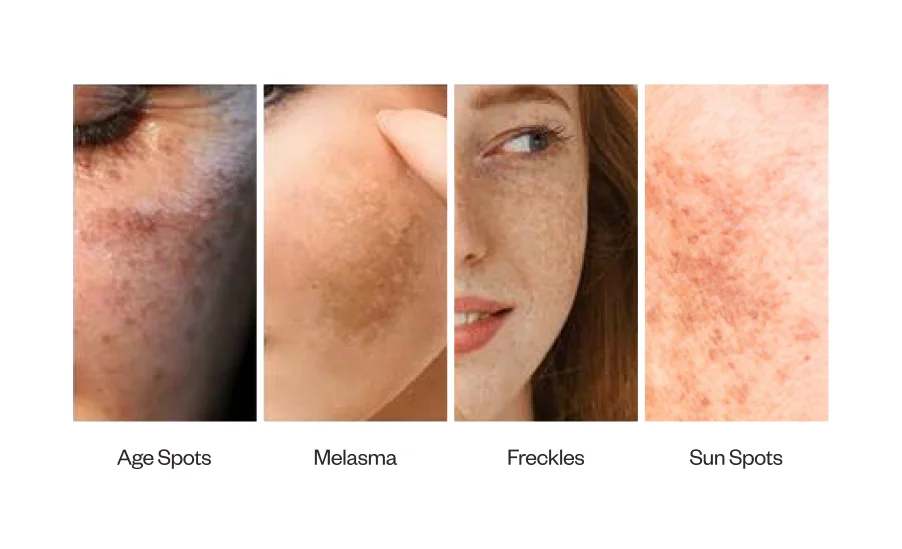
The vibrant area of Pragathi Nagar Dermadent , with its bustling life and sunny climate, is a wonderful place to live. However, the combination of strong sun exposure and the genetic predisposition of Indian skin tones means that pigmentation and dark spots are common concerns for many residents. These dark patches, whether they are small sunspots, stubborn patches of melasma, or marks left behind by acne (Post-Inflammatory Hyperpigmentation or PIH), can significantly impact one's confidence. The good news is that modern dermatology offers highly effective, personalized solutions right here in Pragathi Nagar
1. What Causes Dark Spots and Pigmentation?
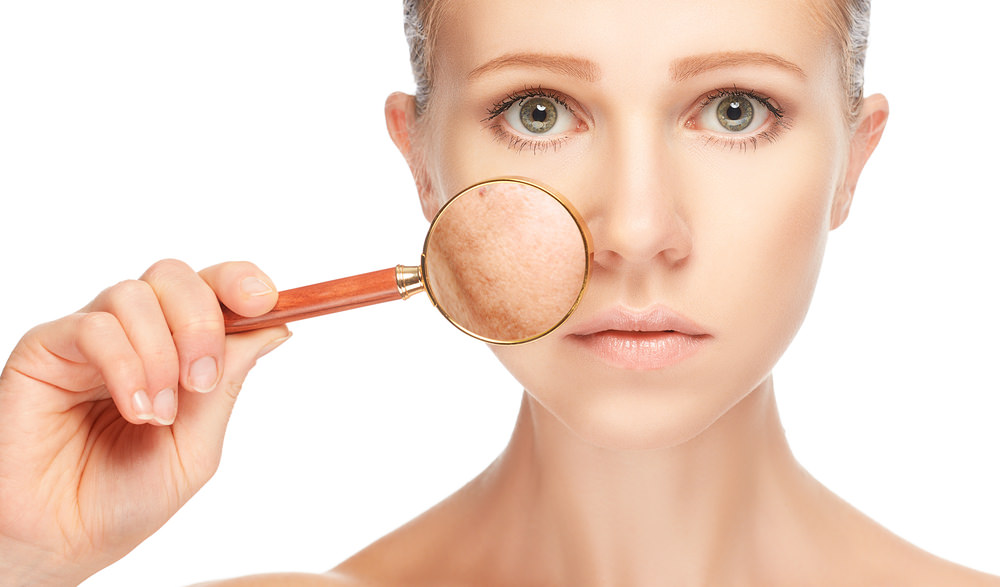
Pigmentation, or hyperpigmentation, simply means a darkening of the
skin. This occurs when specialized skin cells called melanocytes
produce an excess of melanin, the natural pigment that gives skin
its colour. Understanding the root cause of your dark spots is the
first step toward effective treatment.
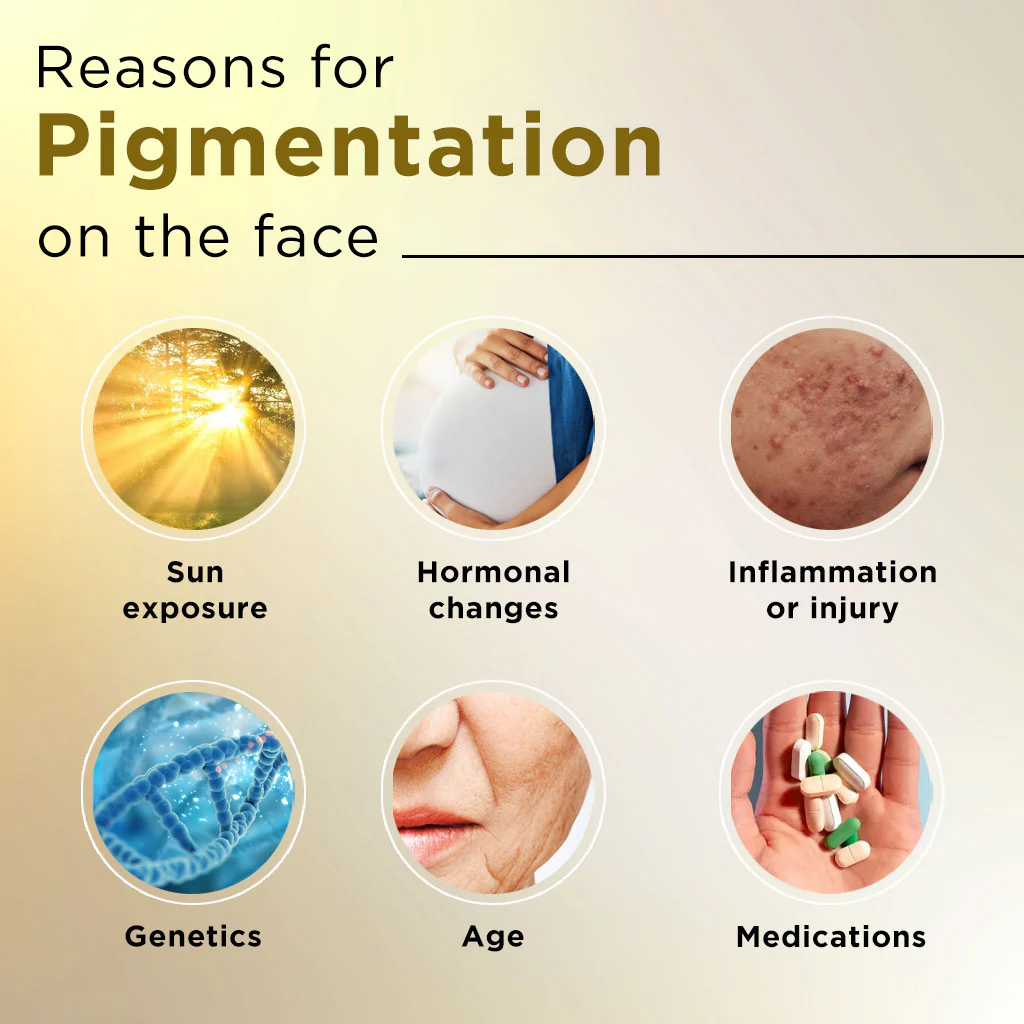
• Sun Exposure:
This is the biggest culprit. UV rays
stimulate melanin
production as a protective response, leading to sunspots or
worsening conditions like melasma.
• Hormonal Changes:
Fluctuations in hormones, especially
during
pregnancy (known as the "mask of pregnancy") or due to thyroid
issues, are a key cause of melasma.
• Inflammation and Injury (PIH):
Any trauma to the skin—be
it a severe
acne breakout, an aggres sive beauty treatment, or a scratch—can
leave a dark spot behind as the skin heals.
• Genetics and Age:
Some people are simply genetically
prone to
developing pigmentation, and age spots (solar lentigines) become
more common as we get older.
2. Top Pigmentation Treatments Available in Pragathi Nagar
The local dermatology clinics in and around Pragathi Nagar are well-equipped with advanced technology to target and clear various types of dark spots. A qualified dermatologist will first correctly diagnose your specific type of pigmentation before recommending a tailored plan.
3.Top Pigmentation Treatments Available in Pragathi Nagar
1. Advanced Chemical Peels
Chemical peels involve applying a safe chemical solution to the skin to
gently exfoliate the top, pigmented layer. This reveals the fresh,
clearer skin underneath.
• Types:
Peels containing ingredients like Glycolic Acid,
Salicylic Acid,
or Kojic Acid are often used.
• Benefit:
They are highly effective for superficial
pigmentation, acne
marks (PIH), and general skin brightening. The strength and type of peel
will be customized to your skin type to ensure safety.
2. Laser Toning and Therapy
Laser treatments are ideal for targeting deeper, more stubborn
pigmentation without damaging the surrounding tissue. This is a popular
and very effective option for conditions like melasma.
• How it Works:
Specific laser wavelengths (such as the
Q-switched Nd:YAG
laser) are used to break down the excess melanin pigment into smaller
particles, which the body naturally eliminates.
• Benefit:
It’s a precise way to treat sunspots and deep-seated
pigmentation, offering noticeable results after a few sessions.
3. Microdermabrasion
This is a non-invasive procedure that uses a specialized tool to gently
sand or buff away the outermost layer of dry, dead skin cells.
• Benefit:
Microdermabrasion improves the texture of the skin,
reduces
shallow pigmentation, and allows topical products to penetrate and work
more effectively. It is a good option for mild sun damage and a dull
complexion.
4. Prescription Topical Treatments
Your dermatologist can prescribe high-strength medical creams that are
far more effective than over-the-counter products.
• Common Ingredients:
These may include Hydroquinone,
prescription-strength Retinoids (Vitamin A derivatives), or combination
creams containing mild corticosteroids.
• Note:
These are powerful medications and must only be used
under the
strict guidance of a doctor to avoid side effects like rebound
pigmentation or irritation.