

What Happens If You Delay Wisdom Tooth Extraction? Risks Every Hyderabad Patient Should Know
Wisdom teeth are the last set of molars that usually appear between the ages of 17 and 25. While some people experience no issues, many develop problems due to lack of space in the jaw. At Dermadent Clinic, we often see patients who postpone treatment, only to face more serious dental complications later. Understanding the risks of delaying wisdom tooth extraction in Hyderabad can help you make informed decisions about your oral health.
Why Do Wisdom Teeth Cause Problems?
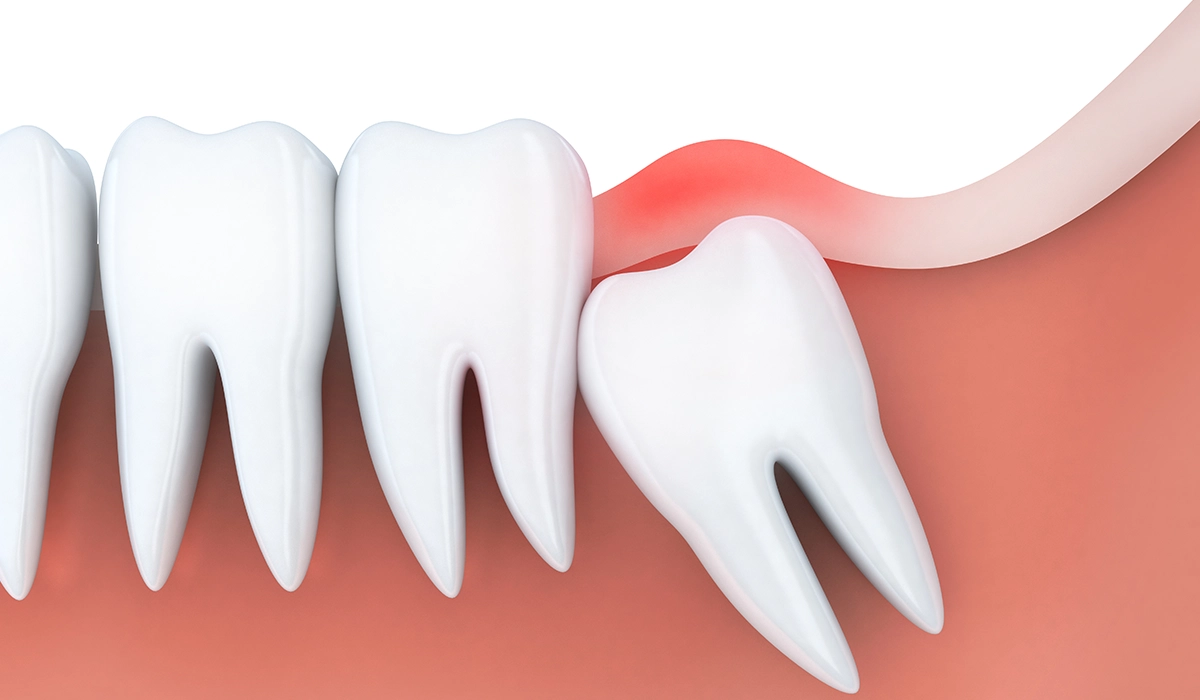
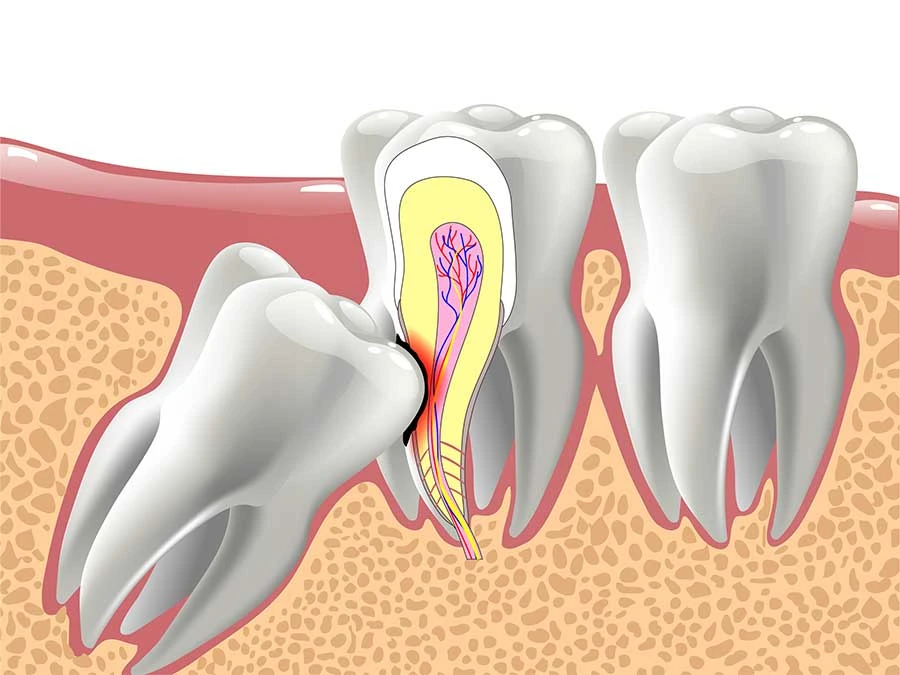
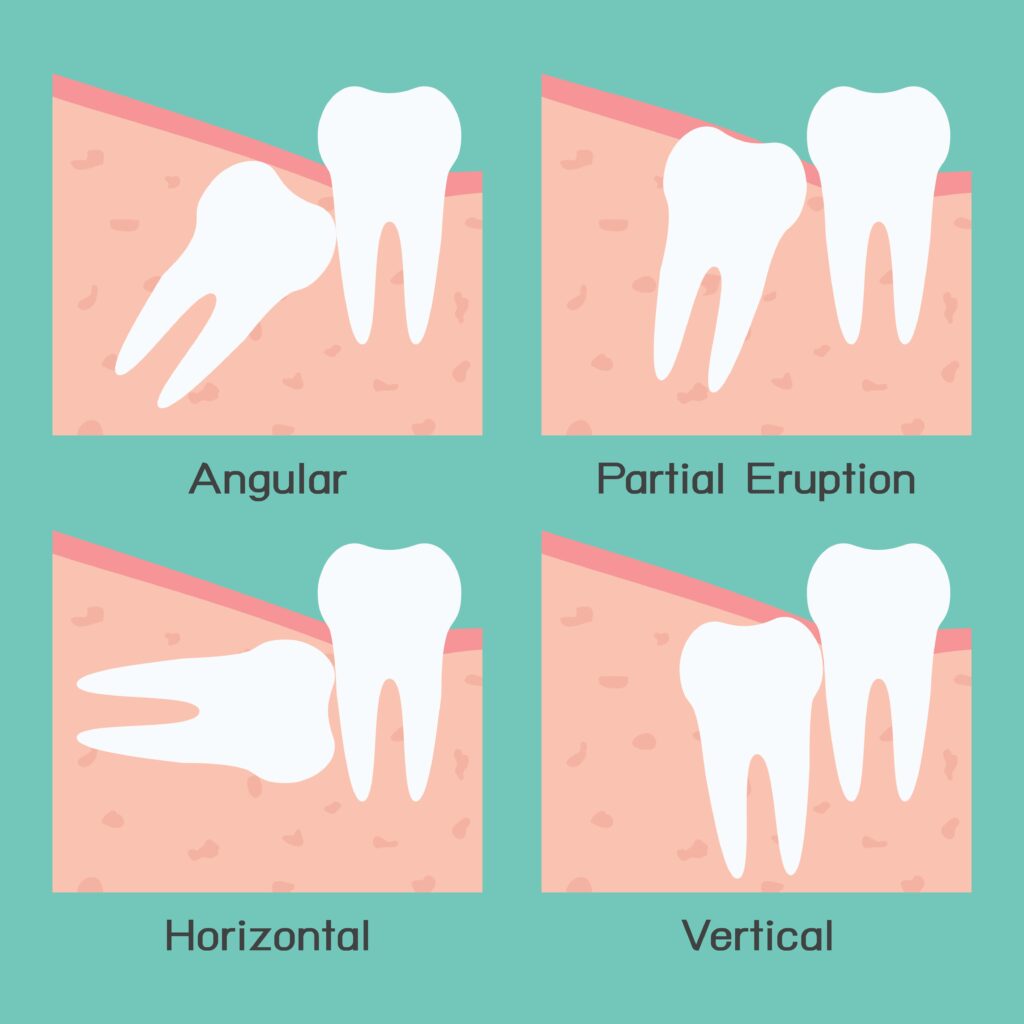
Wisdom teeth often do not have enough room to grow properly. As a result, they may become impacted, grow at an angle, or partially erupt through the gums. These conditions can lead to pain, infection, and damage to nearby teeth.Common reasons for wisdom tooth removal include:
* Impacted wisdom teethbr
* Severe tooth pain
* Gum infections
* Crowding of nearby teeth
* Tooth decay in hard-to-clean areas
Risks of Delaying Wisdom Tooth Extraction
Ignoring wisdom tooth problems may seem harmless at first, but the complications can become more serious over time.1. Increased Pain and Discomfort
One of the earliest signs of wisdom tooth trouble is pain at the back of the mouth. Delaying treatment can cause the discomfort to become more frequent and severe, affecting your daily activities such as eating, speaking, and sleeping.
2. Higher Risk of Infection
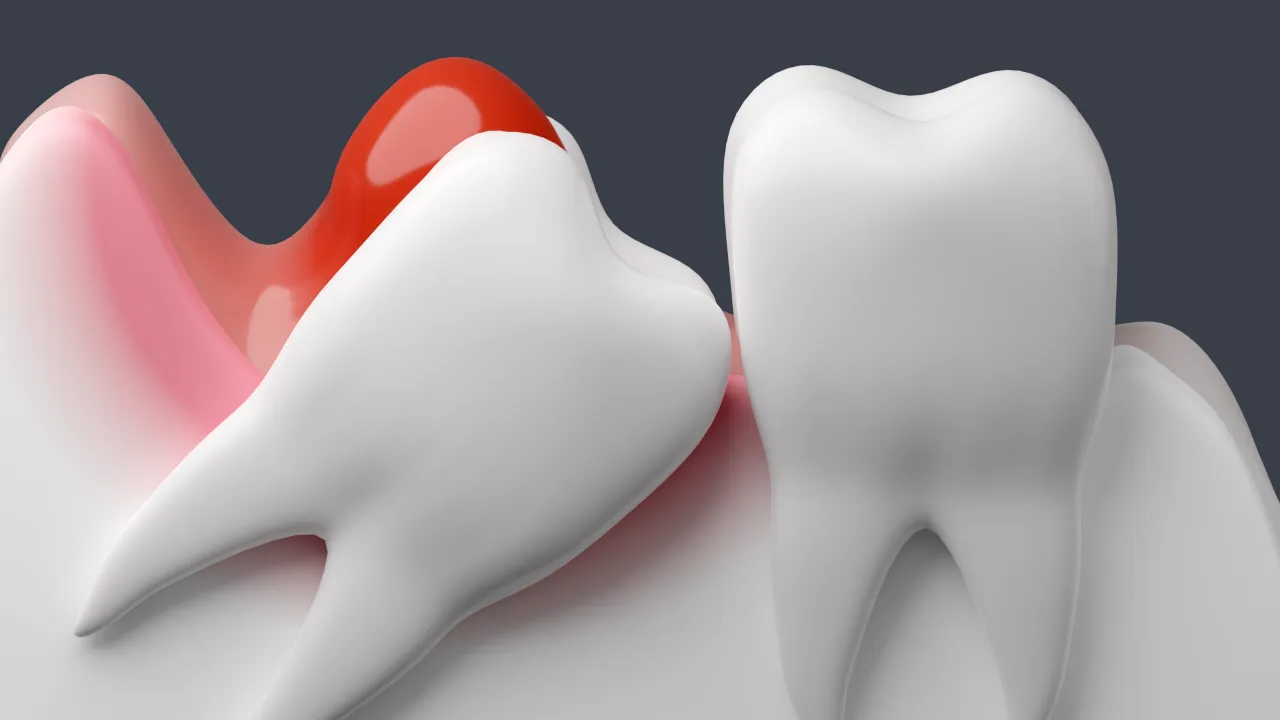
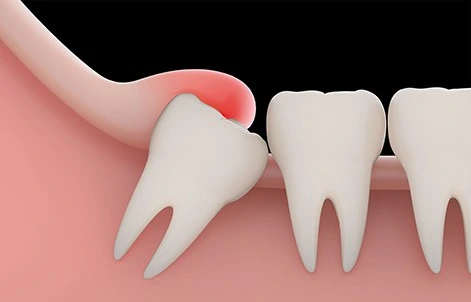
Partially erupted wisdom teeth create openings where food particles and bacteria can become trapped. This often leads to gum infections, swelling, bad breath, and tenderness.
If left untreated, the infection may spread to surrounding tissues and require more extensive treatment.
3. Damage to Nearby Teeth
An impacted wisdom tooth can push against the neighboring molar. Continuous pressure may damage the adjacent tooth, weaken its roots, or increase the risk of decay between the teeth.
This can lead to additional dental procedures that could have been avoided with timely extraction.
4. Tooth Decay and Cavities
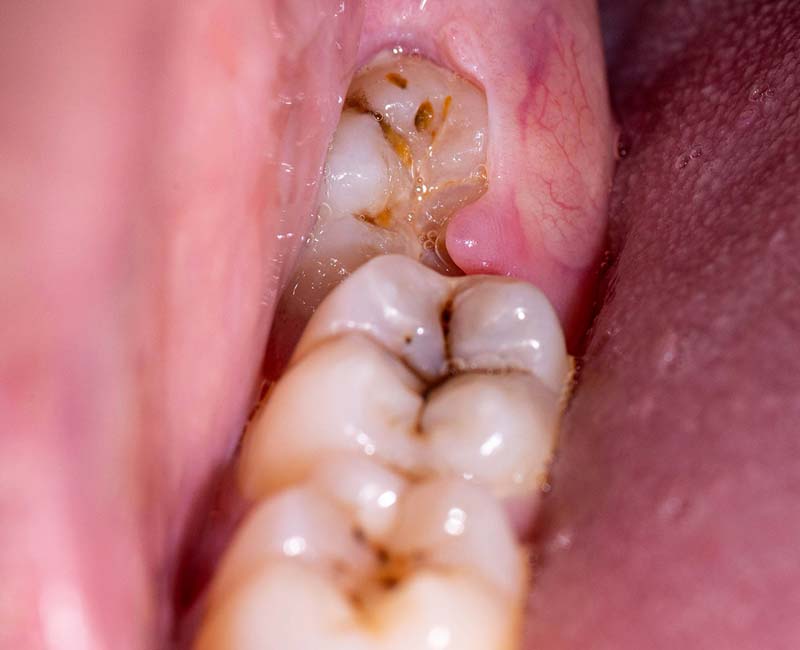
Wisdom teeth are located at the back of the mouth, making them difficult to clean properly. Poor accessibility allows plaque and bacteria to accumulate, increasing the risk of cavities.
In many cases, decay can affect both the wisdom tooth and the adjacent tooth.
5. Gum Disease Development
Bacteria trapped around impacted wisdom teeth can cause inflammation of the gums. Over time, this may develop into periodontal disease, which can affect the health of surrounding teeth and supporting bone.
6. Formation of Cysts
In some cases, impacted wisdom teeth may lead to cyst formation around the tooth. These fluid-filled sacs can damage the jawbone, nearby teeth, and nerves if not treated promptly.
Though uncommon, cysts can cause significant oral health problems and may require surgical intervention.
7. More Complicated Extraction Procedure
Younger patients generally recover faster after wisdom tooth removal. Delaying extraction can allow the roots to grow deeper and become more firmly attached to the jawbone.
As a result:
* Surgery may become more complex
* Recovery time may increase
* Swelling and discomfort may last longer
* Risk of complications may be higher
Signs You Should Not Ignore
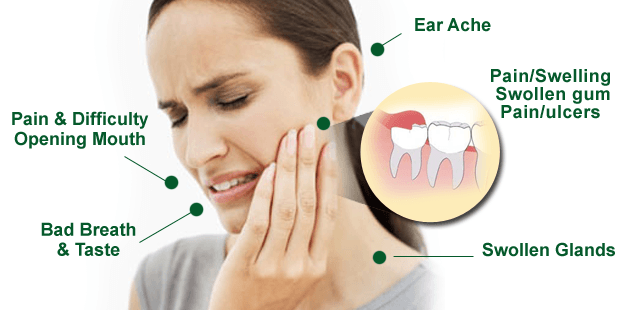
Consult a dentist if you experience:* Pain at the back of the mouth
* Swollen or bleeding gums
* Difficulty opening your mouth
* Bad breath that persists
* Jaw stiffness or swelling
* Headaches related to wisdom tooth pressure
Early evaluation can prevent future complications and reduce treatment costs.
When Should You Consider Wisdom Tooth Extraction?
Not all wisdom teeth need to be removed. However, extraction is often recommended when:* The tooth is impacted
* There is recurring infection
* The tooth is causing pain
* Nearby teeth are at risk
* Orthodontic treatment may be affected
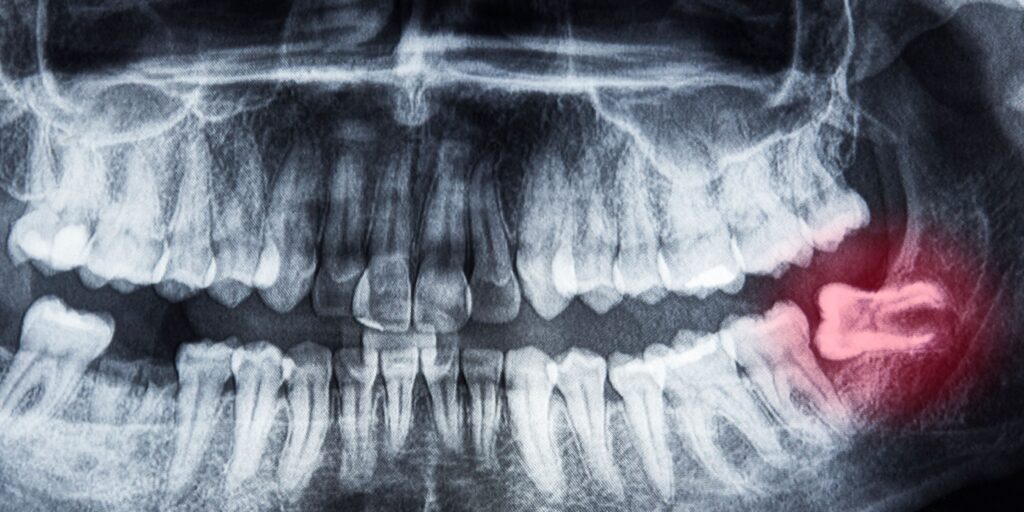
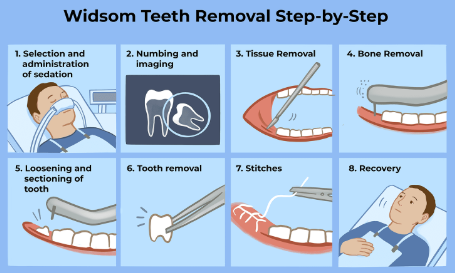
A dental examination and X-rays can determine whether removal is the best option.
Benefits of Early Wisdom Tooth Removal
Timely extraction offers several advantages:* Prevents infections
* Protects neighboring teeth
* Reduces pain and swelling
* Lowers the risk of cyst formation
* Allows easier recovery
* Helps maintain long-term oral health