
Why Multiple Root Canals Fail Without Crowns: A Common Mistake Seen in Pragathinagar Clinics
Root Canal Treatment saves infected teeth by removing damaged nerve tissue and sealing the root. However, when a root canal is not restored with a crown, the treated tooth can fail over time. This issue is especially common in many clinics around Pragathi nagar.
1. What a Root Canal Does
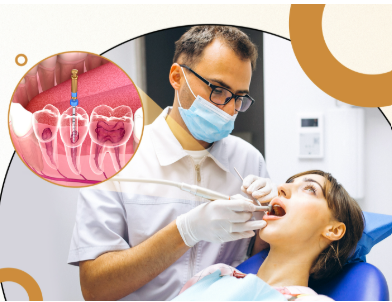
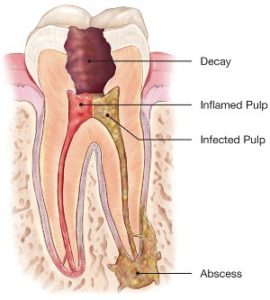
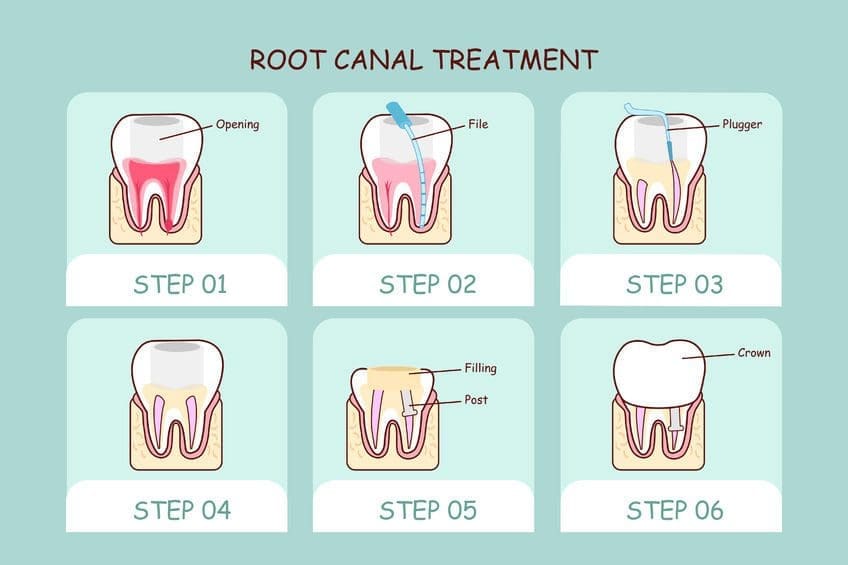
A root canal:* Removes infected pulp inside the tooth
* Cleans and shapes the root canals
* Seals the canals to stop infection
After this, the tooth still needs strong outer protection. Without it, the tooth becomes weaker.
2. Why Crowns Matter After Root Canals
After a root canal:* The tooth loses moisture and becomes brittle
* Chewing pressure can cause cracks
* Bacteria can enter through small cracks
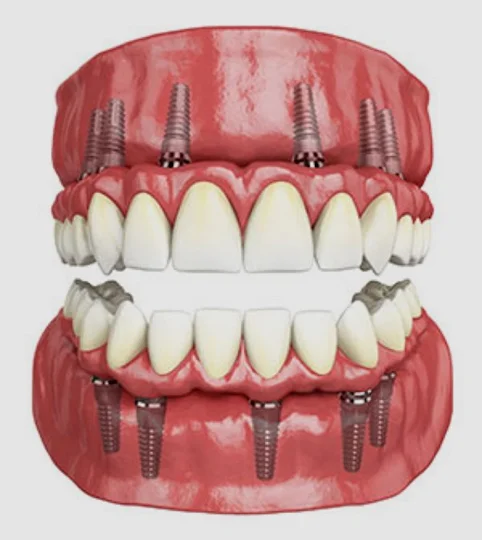
A crown covers the entire tooth, protecting it from these risks. Without a crown, even a beautifully done root canal can fail.
3. Common Mistakes Seen in Pragathinagar Clinics
In many local clinics, patients often:* Skip crowns due to cost concerns
* Accept only fillings after root canals
* Don’t get clear advice on long-term protection
These choices might save money upfront but often lead to repeat treatments later.
4.How Teeth Weaken After Root Canal
Root canal procedure removes the inner living part of the tooth. This makes teeth:* Brittle and prone to fracture
* Less able to handle chewing forces
* More likely to allow bacteria underneath a simple filling
A crown acts like a protective cap, making the tooth strong again.
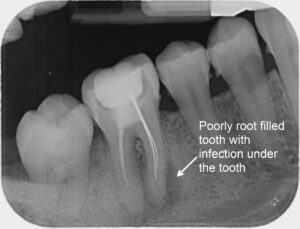
5.What Happens When a Root Canaled Tooth Fails
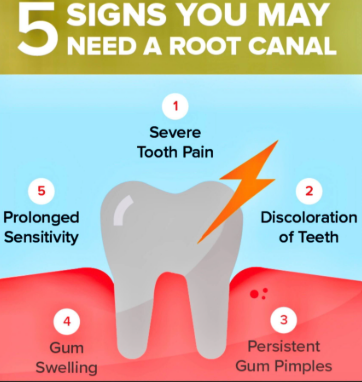
Signs of failure include:* Pain or sensitivity
* Darkening of the treated tooth
* Swelling or gum irritation
* Cracks or breakage
If ignored, infection can return, leading to more treatment or even extraction.
6.Why Fillings Alone Are Not Enough
A filling only covers part of the tooth surface. It does not:* Protect the chewing surface fully
* Reinforce weakened tooth structure
* Prevent bacteria from creeping in over time
That’s why crowns are considered the best long-term solution after root canals.